I spent three weeks with a Rolex Explorer 124270. I went in skeptical of the hype and came out understanding why people don’t shut up about it.
This is one of those watches that makes sense the moment you strap it on.
What It Is#
36mm case. 3230 movement. Matte black dial with no date. Mercedes hands. Oyster bracelet. 100m water resistance. About €7,500 if you can find one at retail.
It’s Rolex’s simplest watch, and that’s exactly why it works.
Size and Fit#
I wear 38-40mm watches most days. I thought 36mm would feel small. It doesn’t.
The lugs sit perfectly flat against my wrist. The bracelet tapers cleanly from 20mm to 16mm. Within an hour, I forgot I was wearing it - not because it’s light, but because everything just fits.
Lug-to-lug is 43.4mm. If your wrist is over 16cm, you’re fine. Under that, it’s perfect.
The bracelet is the best I’ve worn. Solid links, zero rattle, a clasp that locks with confidence. No flex, no cheap feel. You know it’s quality the first time you handle it.
The Dial#
Black. Matte. Minimal text. Large 3-6-9 numerals you can read without thinking.
It’s not trying to be interesting, and that’s what makes it interesting. No sunburst finish. No applied indices catching light in five directions. No chapter ring with twelve fonts fighting for attention.
Just a tool dial that does its job. The lume is strong - holds bright for over an hour, fades slowly after that. Good enough for real use.
The polished seconds hand catches light so you can confirm the watch is running at a glance. The Mercedes hour hand holds more lume. Small details that matter when you actually wear the thing daily.
Movement and Accuracy#
The 3230 is Rolex’s workhorse movement. 70-hour power reserve, Paraflex shock system, Chronergy escapement. COSC certified, which guarantees -4 to +6 seconds per day.
Mine ran at +1.5 seconds per day over three weeks. I wound it once a week and never thought about it again.
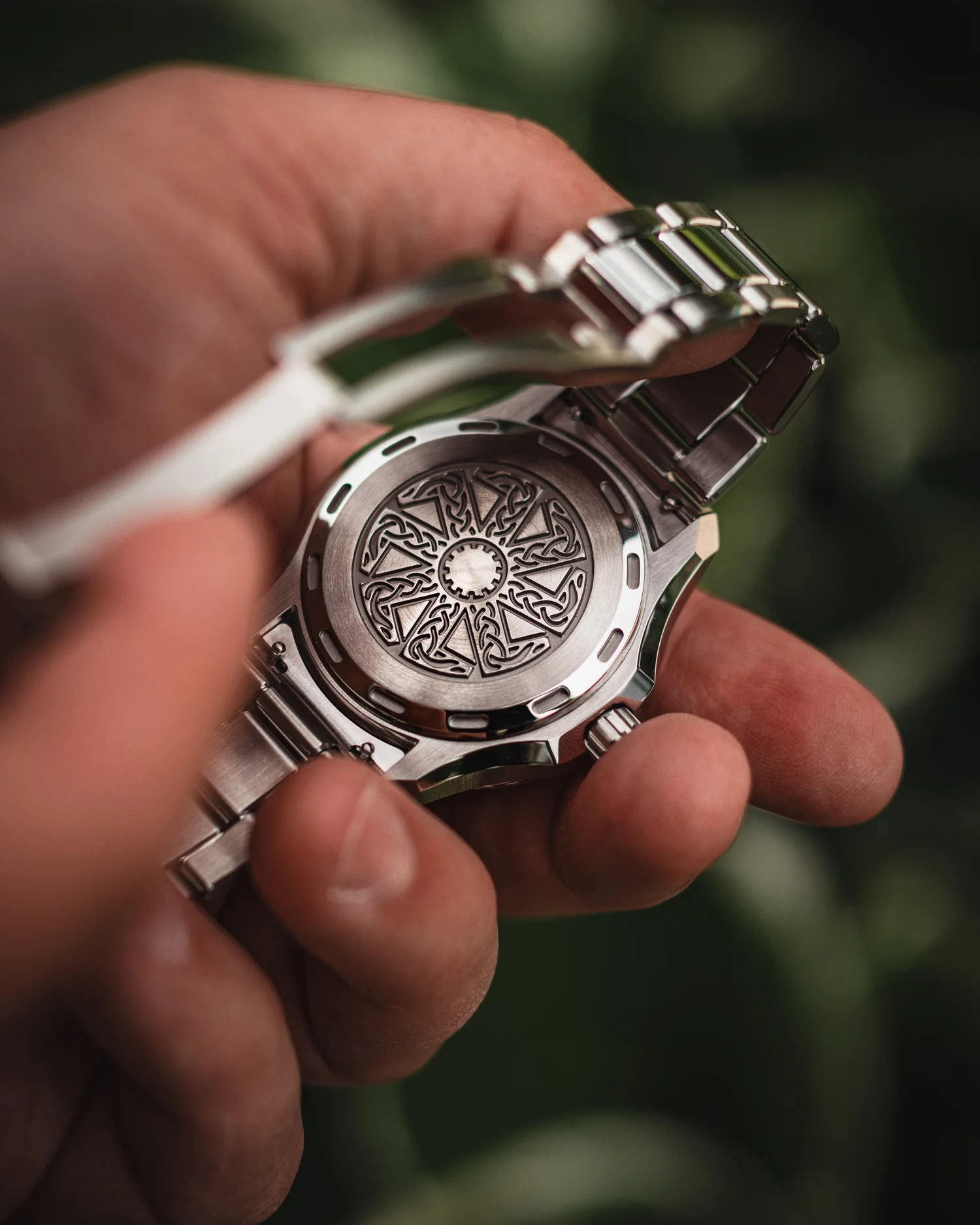
Solid caseback, no display window. If you need to watch a rotor spin, this isn’t your watch. I prefer it this way - one less thing to scratch, one more reason to just wear it.
What It Costs vs What You Get#
New from an AD: €7,500, assuming they don’t make you buy a Datejust first.
Grey market: €8,500-9,500 depending on demand.
Used: €7,000-8,000 if it’s clean.
Is it expensive? Yes. Is it worth it? For me, yes.
A Hamilton Khaki Field Mechanical costs €500 and gets you 80% there. But the last 20% - bracelet quality, movement reliability, finishing, knowing it’ll run for decades with minimal service - that’s what you’re paying for.
Some people don’t care about that 20%. Fine. Save your money. But if you do care, the Explorer delivers.
What I’d Change#
The clasp has Easylink (5mm quick adjustment), but no micro-adjust like a dive extension. In summer, when my wrist swells slightly, I notice it. Not a dealbreaker, but odd on a €7,500 watch.
The polished center links scratch if you look at them wrong. I don’t mind - I like watches that show they’ve been worn. But if you want pristine, be ready to baby it or accept the patina.
Why It Works#
Most watches try too hard. Too many complications, too much decoration, too much “look at me.”
The Explorer does one thing: be a watch you can wear every day, everywhere, without thinking about it.
Office, hike, travel, bar, wedding. It works. It doesn’t ask for attention. It doesn’t need special care. You wind it, you wear it, it runs.
That simplicity is rare. And expensive. But if you want one watch that just works, this is it.
Alternatives (If You’re Not Convinced)#
- Tudor Ranger 39mm (€2,800): Nearly identical vibe, slightly larger, less refined bracelet. Great value.
- Grand Seiko SBGW231 (€4,500): Hand-wound, better finishing, more dressy. Less tough.
- Omega Aqua Terra 38mm (€5,500): Date, better WR, more versatile. Less simple.
But honestly? If you’re cross-shopping Explorers, you already know what you want. The alternatives are great watches. The Explorer is the one you’ll still be wearing in ten years.
I get it now.