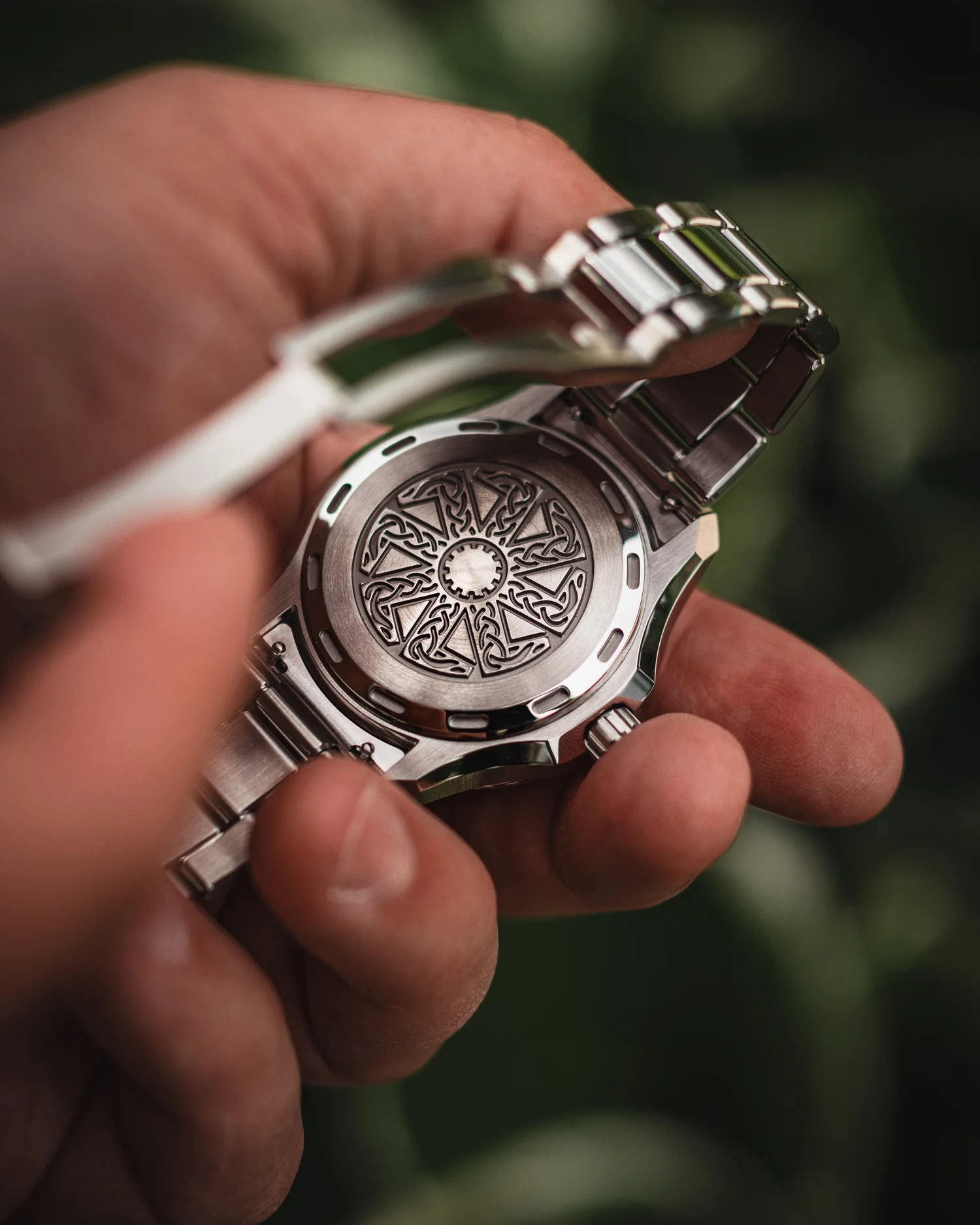
Field watches don’t look exciting in photos. No flashy dials, no complications, no ceramic bezels. Just a clean face, Arabic numerals, and a case that’s probably under 40mm.
That’s the point.
What Makes a Field Watch#
The term gets thrown around a lot, but the basics haven’t changed: legible dial, durable case, simple movement, practical size. They’re named after military field use - watches that needed to work in mud, dust, and bad lighting without babysitting.
Modern field watches keep that spirit. You want high contrast (black dial, white markers), decent lume, a case that doesn’t scratch if you look at it wrong, and a size that fits under a sleeve. 36-40mm is the sweet spot. Anything bigger and you’re wearing a fashion statement, not a tool.
I wore a Hamilton Khaki Field Mechanical (38mm) for two weeks straight last month, including a weekend camping trip. It’s 50m water resistant, hand-wound, and has a NATO strap. Cost me around €400 used.
What I liked: The size. It disappeared under my jacket sleeve on the train ride there, then stayed readable at night without needing a flashlight. The manual movement meant I actually wound it every morning - small ritual, but I found it grounding.
What I didn’t: The lume is weak. Legible for maybe an hour after charging, then it’s gone. For a watch marketed on military heritage, that’s disappointing. Also, 50m WR is fine for rain but I wouldn’t swim in it.
Why You’d Want One#
Field watches are gateway drugs. If you’re coming from smartwatches or cheap quartz, a good field watch teaches you what “wearable” actually means. You stop thinking about your wrist. You glance down, read the time, move on.
They’re also cheap to start. A Timex Expedition costs €60 and will work fine. A used Hamilton, Seiko 5 Sports (the field-style ones), or a Vaer will run you €200-500. A Sinn 556 or Damasko DA36 if you want to go deep.
The expensive ones (€1000+) mostly add finishing and brand tax. Sometimes a better movement. Rarely worth it unless you care about those details.
Specs That Matter#
- Size: 36-40mm. Maybe 42mm if the lug-to-lug is short (under 48mm).
- Lume: BGW9 or better. Cheap watches skip this. Don’t buy those.
- Water resistance: 100m minimum. 50m is marketing speak for “don’t get it wet.”
- Crystal: Sapphire if you can afford it. Acrylic scratches but has charm (I’m undecided).
- Movement: Quartz, mechanical, automatic - doesn’t matter. Pick what you’ll actually use.
I keep coming back to field watches because they’re unfussy. No dive bezel to align, no chronograph buttons I’ll never press, no date window that’s always wrong after the weekend.
Just a watch that tells time and doesn’t complain.
Some good ones to look at: Hamilton Khaki Field (mechanical or auto), Seiko 5 Sports SRPG series, Vaer D5, Bertucci A-2T, Damasko DA36 if you’re feeling spendy. Maybe avoid the Timex Expedition unless you’re okay with loud ticking - it’s a meme for a reason.
I might be wrong, but I think most people would be happier with a 38mm field watch than whatever oversized diver they’re currently wearing.